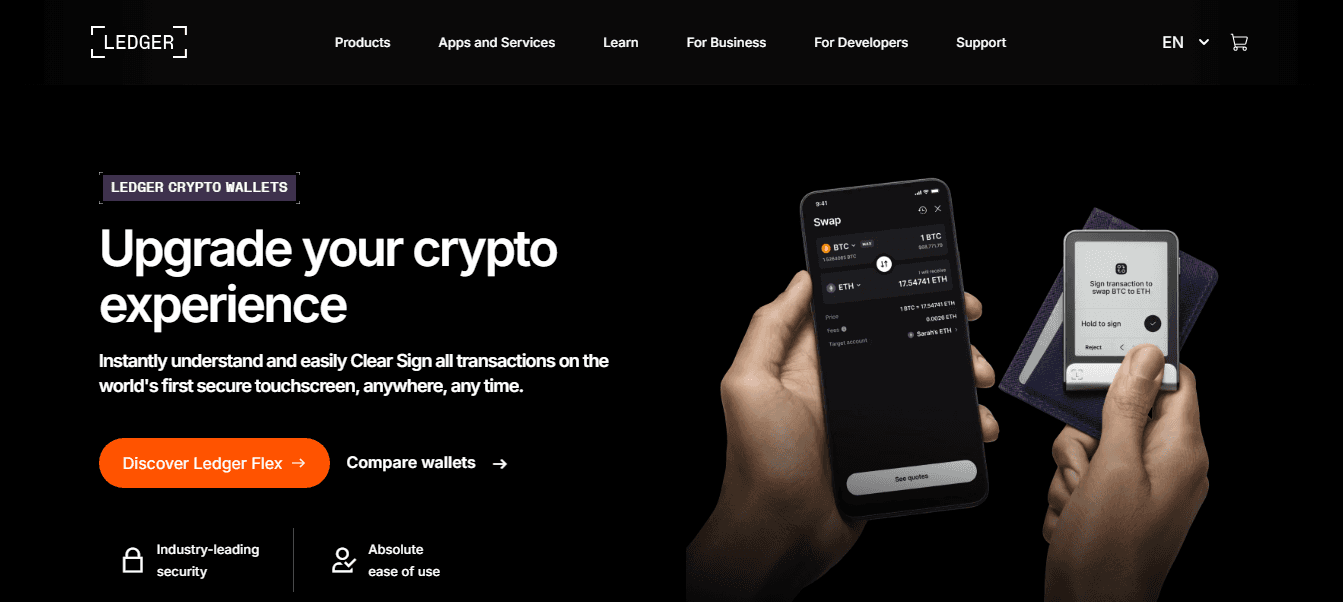
Ledger.com/Start: A Complete Guide to Securing Your Cryptocurrency
As cryptocurrency becomes more widely adopted, protecting digital assets has become a top priority for users. Unlike traditional banking systems, crypto ownership places full responsibility on the individual. This is why hardware wallets have become essential tools for secure storage. Ledger is one of the most trusted hardware wallet providers, and the setup process begins at Ledger.com/start.
This guide explains how Ledger works, why it is important, and how users can safely begin their crypto security journey.
What Is Ledger?
Ledger is a hardware wallet designed to store cryptocurrency private keys offline. Private keys are critical because they grant access to digital funds. If these keys are exposed or stolen, assets can be lost permanently.
Unlike online wallets or exchanges that remain connected to the internet, Ledger devices store private keys in a secure physical environment. This design protects users from hacking attempts, malware infections, and phishing scams.
Ledger supports a wide range of cryptocurrencies, making it suitable for both beginners and experienced crypto holders.
Why Secure Storage Matters
Many users initially store cryptocurrency on exchanges for convenience. However, this approach comes with risks:
Exchanges can be hacked
Accounts may be frozen or restricted
Users do not fully control their private keys
Online wallets are vulnerable to cyber threats
Using a hardware wallet like Ledger ensures full ownership and reduces exposure to online risks.
Getting Started with Ledger
The setup process is designed to be user-friendly and does not require advanced technical knowledge.
1. Choose a Ledger Device
Ledger offers several models, including Ledger Nano S Plus and Ledger Nano X. Both provide strong security. The Nano X includes Bluetooth support, while the Nano S Plus focuses on simplicity and affordability.
2. Create a PIN Code
During setup, users create a PIN code. This PIN protects the device if it is lost or stolen. After several incorrect attempts, the device automatically resets to protect stored assets.
3. Secure the Recovery Phrase
Ledger generates a recovery phrase, usually 24 words long. This phrase is the only way to recover funds if the device is damaged or lost.
The recovery phrase must be written down and stored securely offline. It should never be shared or saved digitally.
4. Install Wallet Apps
Users can install apps for different cryptocurrencies on the Ledger device. These apps allow secure management of multiple assets from one wallet.
Key Features of Ledger Wallets
Ledger devices are trusted globally because of their strong security architecture and ease of use. Key features include:
Offline storage of private keys
Secure chip technology
Support for thousands of cryptocurrencies
Recovery phrase backup system
Regular firmware updates
These features make Ledger wallets suitable for long-term storage and daily use.
Best Practices for Ledger Security
To ensure maximum protection, users should follow these security tips:
Store the recovery phrase in a secure physical location
Never share your PIN or recovery phrase
Always verify transaction details on the device screen
Keep firmware updated
Avoid using the wallet on public or untrusted computers
Good security habits combined with a hardware wallet provide strong protection.
Why Ledger Is Trusted Worldwide
Ledger has built a strong reputation in the crypto industry through years of security-focused development. Its devices use advanced secure chip technology, similar to that used in banking systems.
Ledger does not have access to user funds or private keys. Full control remains with the user, aligning with the core principles of decentralization and financial independence.
Conclusion
Securing cryptocurrency is essential in today’s digital world. Ledger offers a reliable and proven way to protect private keys from online threats. By following the setup process at Ledger.com/start and practicing strong security habits, users can confidently manage their crypto assets.